Compensation to maintain a high quality of power supply is standard practice
Compensation for displacement reactive power caused by linear loads has been used to improve power supply quality ever since uncontrolled three-phase machines were introduced. Their inductive effects are offset at the relevant transformer substations by capacitor-based compensation systems, helping to improve power supply quality.
Demand-based compensation increases efficiency
As efficient, controlled machines, systems and devices — known as non-linear loads — have evolved, the characteristics of energy consumption have changed too. In addition to displacement reactive power, power electronics also generate dynamic distortion power. Compensation methods have evolved accordingly. Equipped with active analysis capabilities using current transformers, these systems can improve power supply quality as required.
Active harmonic filters help improve efficiency and power supply quality
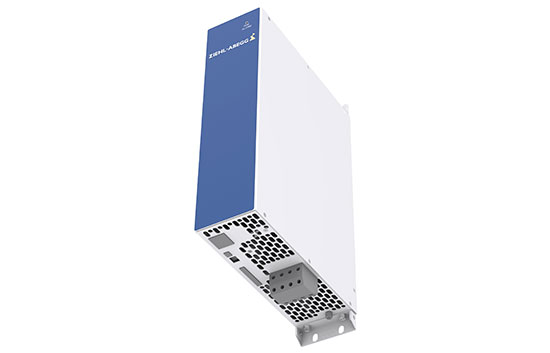
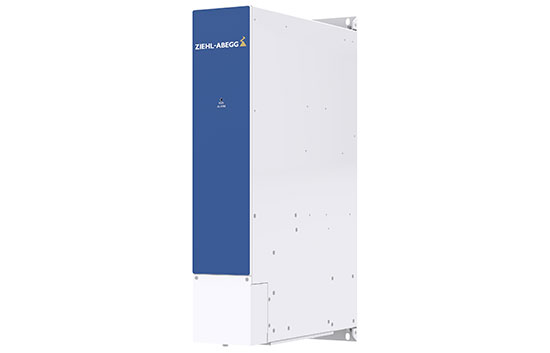
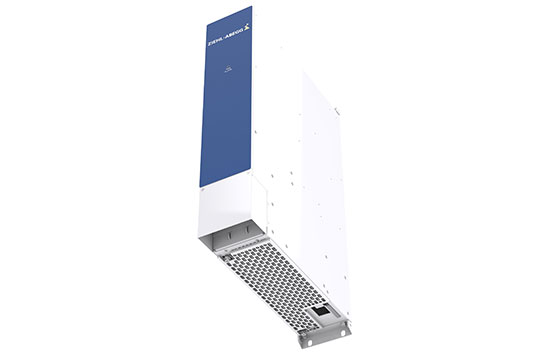
Active harmonic filters primarily reduce harmonics. These occur due to the characteristic energy consumption of non-linear consumers. In our everyday lives, products with power electronics are indispensable. These include LED light sources, IT and telecommunications equipment, frequency inverters, pumps, compressors, uninterruptible power supplies, electric vehicle charging stations, solar inverters and many more.